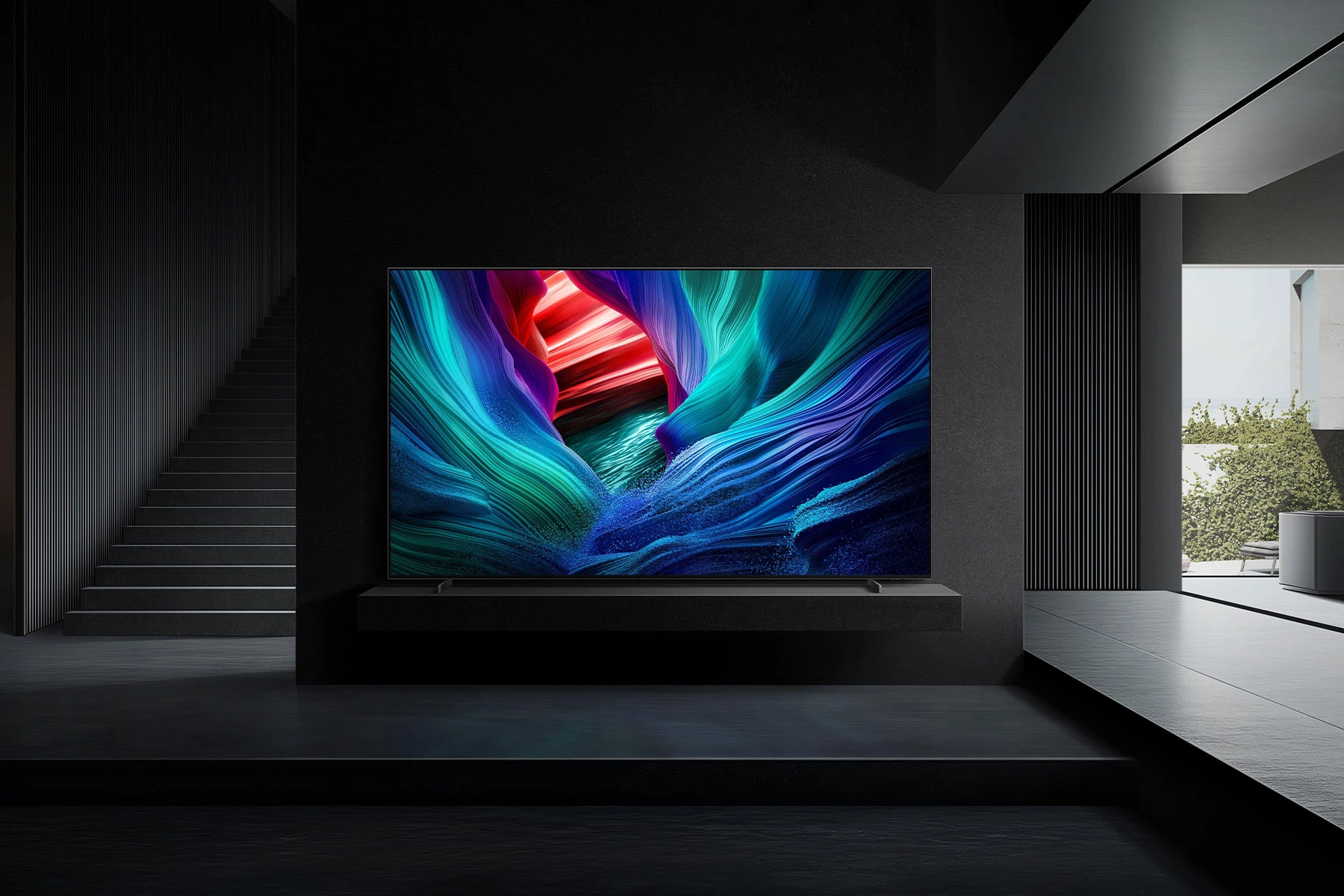
Choosing a new TV can feel a bit like selecting a bottle of wine when you don't know your Pinot Noir from your Merlot. There's such a wide array of options, tech terms, and price points, it's no wonder we get confused.
But before you focus on the technology options, it's worth thinking through a few practical things first. Where will your new TV be located, and could that affect the size you need? What's your room lighting like – is it bright during the day, or mostly dim? Think about your viewing angles too – do you usually watch head-on, or often from the side? Consider what you watch most, whether that's sports, movies, streaming shows, or gaming. And finally, think about aesthetics: do you want a slim, wall-hugging model, or a statement piece?
Now that you've answered these questions – the next key consideration should be: what kind of screen technology is best for your home?
Two of the most talked-about contenders right now are OLED and the newest arrival on the block, Micro RGB TVs. Both deliver stunning picture quality, but they get there in very different ways – and choosing the right one depends on your viewing habits, your living room setup, and how much you're looking to spend. Just a point here – Micro RGB refers to the backlight technology, not the size of the television.
What is an OLED TV?
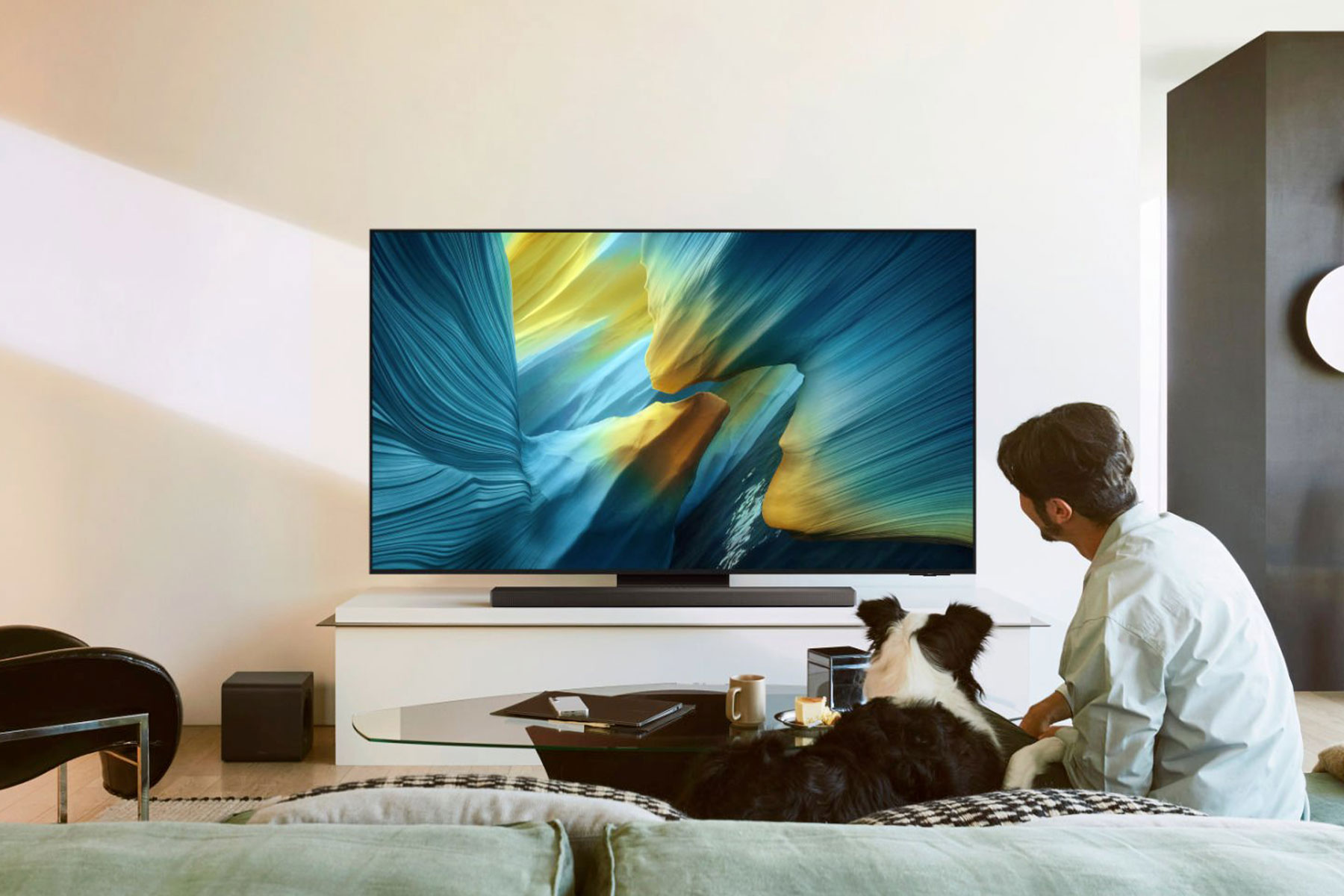 OLED stands for Organic Light Emitting Diode. Think of OLED as a screen where every single pixel lights up on its own. There’s no backlight - each pixel can be turned on or completely off, giving OLED its signature ultra-deep blacks and incredible contrast.
Ideal for:
• Movie lovers who want cinema-quality picture with high contrasts.
• Darker rooms where those inky blacks really shine
• Excellent viewing angles
• Design-conscious buyers (OLEDs tend to be ultra-thin)
• Gaming enthusiasts for the ultra-fast response times (lag reduction)
What is a Micro RGB TV?
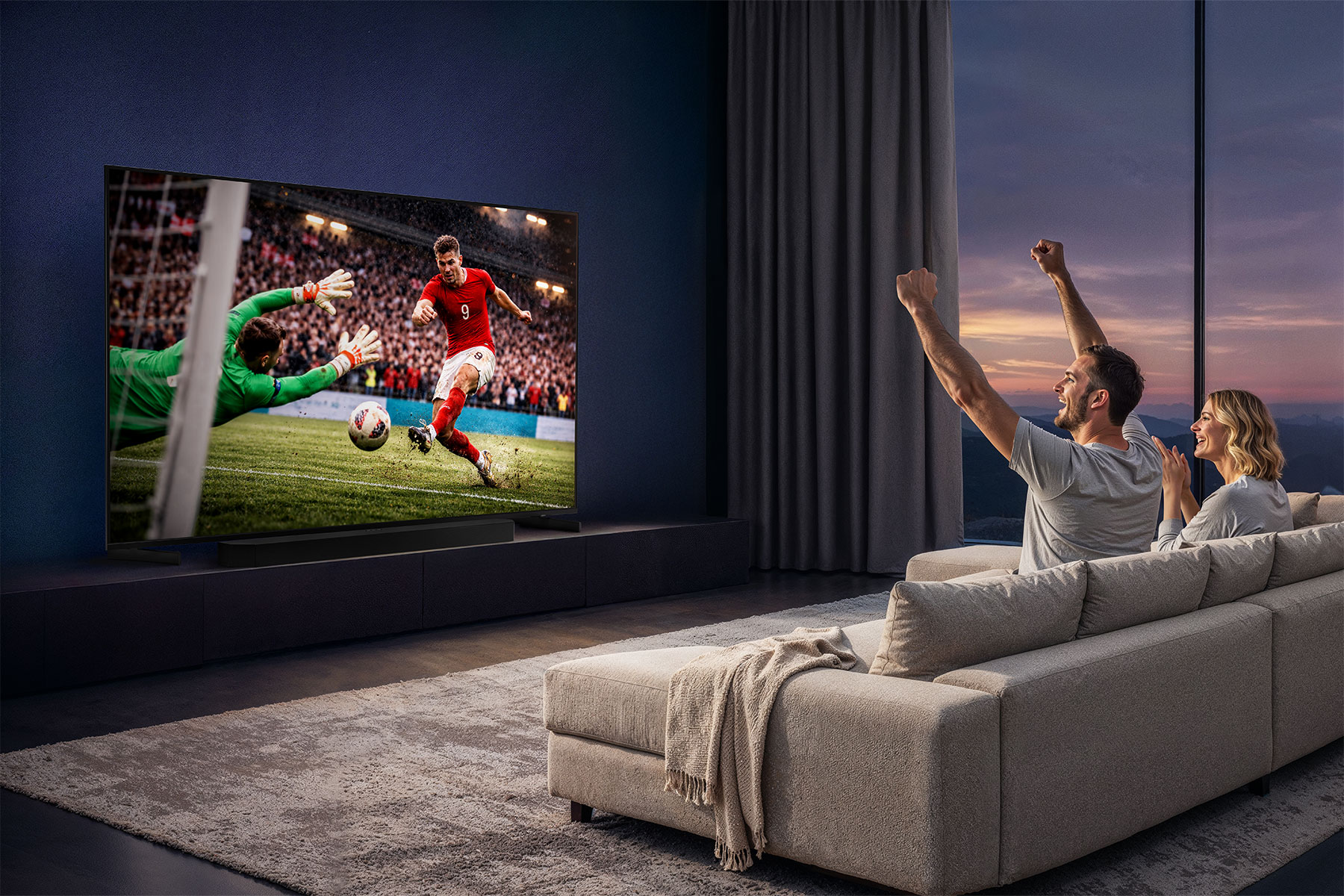 Micro RGB is the newest step forward in LED backlighting, and it's a genuine leap from the Mini LED TVs many of us are used to. Traditional LED TVs place a white or blue backlight behind the screen and pass that light through a colour-filtering layer to create colour. Micro RGB TVs work differently: they use thousands of individually controlled red, green and blue LEDs working together to produce colour directly, without needing that filtering step.
The result is a much wider, more precise colour volume alongside serious brightness – Micro RGB TVs are engineered to hold onto vivid, punchy highlights even in a sun-drenched living room, something traditional LCD-based TVs have always struggled with.
Samsung, LG and Hisense are leading the charge with their Micro RGB range, and have multiple options for you to choose from. Our top picks out of the range are shown below.
Like Mini LED, Micro RGB can't switch off individual pixels the way OLED can, so it relies on advanced local dimming to control brightness across the screen. But with far more precise, colour-specific light control behind the panel, it closes a lot of the gap on OLED's contrast while comfortably out-brightening it.
Ideal for:
Sun-filled rooms where colour needs to stay vivid instead of washing out
Buyers chasing the widest, most true-to-life colour volume yet seen on an LED-based TV
Home theatres wanting a genuinely large-format screen with premium picture quality
Gaming enthusiasts and sports lovers wanting rich, accurate colour alongside high panel refresh rates for minimising blur on the screen with high motion scenes.
Early adopters keen to own the newest display technology on the market
Micro RGB vs OLED: Key Differences
Here’s a quick and easy comparison chart:
Feature | OLED | Micro RGB |
Black Levels | Perfect black (individual pixels can turn off) | Excellent, but not perfect (uses advanced local dimming) |
Brightness | Lower overall brightness | Very bright – excellent for sunny rooms |
Colour Volume | Excellent, especially in mid-tones | Exceptional – wide colour gamut coverage even at peak brightness |
Viewing Angles | Very wide viewing angles | Can fade slightly at extreme angles, better than older LED TVs |
Burn-in Risk | Rare – latest OLEDs have all but eliminated this issue | No burn-in risk |
Design | Super thin and sleek | Slim, but usually thicker than OLED |
Price Range | Wide range, more affordable entry points available | New technology – currently a premium price point |
Which One Should You Choose?
Choose OLED if:
You love movies and cinematic detail, especially in darker rooms
You want a premium, stylish design and the best possible contrast
You often watch from an angle to the screen
You value image precision and depth of colour
You want more choice across a range of price points
Choose Micro RGB if:
Most of your viewing happens in daylight or a naturally bright living space
Colour depth and accuracy matter to you as much as, or more than, ultimate black levels
You want the most advanced picture quality currently possible from an LCD-based TV
You're planning a statement, large-format home theatre setup
You don't mind paying a premium to get the newest technology first
Final Thoughts
Room brightness is still the big decider. Micro RGB handles glare and daylight viewing better than any LED technology before it, while OLED continues to thrive in darker spaces with its perfect blacks. Micro RGB is a genuinely new category rather than just a brighter Mini LED, so if colour and brightness are what excite you, it's well worth a look – just be aware it currently sits at the premium end of the market as the technology is still rolling out.
Most importantly, try to compare in-store and see both options in person. The difference in contrast, brightness and colour is easy to spot – and this is one comparison where photos really don't do either technology justice.
Whether you want the cinematic drama of OLED or the vivid colour and brightness of Micro RGB, you're in for a serious upgrade from your old TV. There's no bad choice between these two options, just the right choice for you.